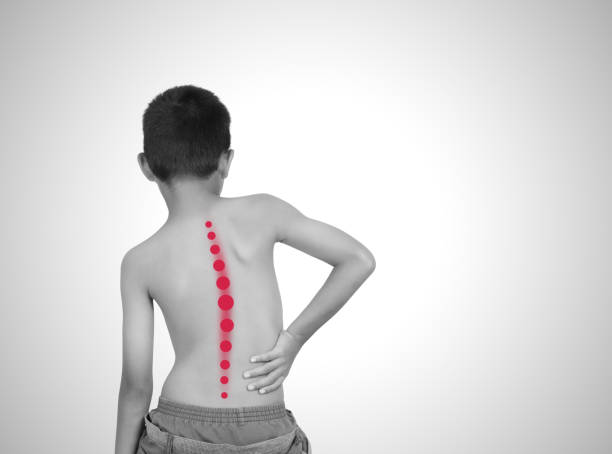
Scoliosis is a condition characterized by an abnormal curvature of the spine, often appearing during childhood or adolescence. While it may seem like a minor issue, untreated scoliosis can lead to significant physical challenges and discomfort over time. The spine’s curvature can affect posture, cause back pain, and even impact lung function in severe cases.
Understanding scoliosis is crucial because early diagnosis and treatment can make a significant difference in a person’s quality of life. Treatment options vary from observation to bracing or even surgery, depending on the severity of the curve and the age of the patient. By addressing scoliosis promptly, individuals can maintain their mobility and overall well-being, allowing them to lead fulfilling lives without being hindered by their condition.
Non-Surgical Scoliosis Treatment Options: Managing Symptoms and Improving Comfort
When it comes to managing scoliosis without surgery, several non-surgical treatment options can significantly improve comfort and alleviate symptoms. One common approach is bracing for scoliosis, particularly in adolescents whose spines are still growing. Braces help to prevent further curvature and can be effective when worn consistently.
Physical therapy for scoliosis plays a crucial role in strengthening the muscles around the spine, improving posture, and enhancing overall flexibility. Tailored exercises guided by a trained physical therapist can help patients manage discomfort and maintain mobility.
Chiropractic care is another valuable option that focuses on spinal alignment and may provide relief from pain associated with scoliosis. Chiropractors use manual adjustments to alleviate tension in the back muscles and improve spinal function.
Surgical Scoliosis Treatments: When Is Surgery Necessary?
Surgical scoliosis treatments are often considered when the curvature of the spine exceeds a certain degree and begins to impact a patient’s quality of life. Generally, surgery is recommended for individuals with a spinal curvature greater than 45 to 50 degrees, particularly if it continues to progress over time.
The necessity for surgery can also be influenced by other factors such as age, overall health, and the presence of symptoms like pain or respiratory issues. In cases where scoliosis leads to significant physical deformities or functional limitations, surgical intervention may become essential.
Common surgical options include spinal fusion and the use of rods or screws to stabilize the spine. These procedures aim not only to correct the curvature but also to prevent further progression and alleviate associated discomfort. It is crucial for patients and their families to engage in thorough discussions with healthcare professionals about potential risks, benefits, and expected outcomes before deciding on surgical treatment.
The Role of Alternative Therapies in Scoliosis Management
Alternative therapies play a significant role in the management of scoliosis, offering holistic approaches that complement traditional medical treatments. One such therapy is acupuncture, which has been recognized for its potential to provide back pain relief. By targeting specific pressure points, acupuncture can help alleviate discomfort associated with scoliosis, promoting relaxation and improved mobility.
Yoga is another valuable tool in scoliosis management. Practicing yoga not only enhances flexibility and strength but also encourages proper posture alignment. Certain poses can be tailored to address the unique curvature of the spine, providing both physical benefits and mental clarity.
In conclusion, embracing hope and healing through personalized scoliosis treatment options is essential for individuals navigating this condition. Understanding that each case of scoliosis is unique allows for tailored approaches that can significantly enhance patient outcomes. From traditional methods like bracing and physical therapy to advanced interventions such as surgical options, the importance of a personalized treatment plan cannot be overstated. By collaborating with healthcare professionals who specialize in scoliosis, patients can explore various avenues that suit their specific needs and lifestyle.