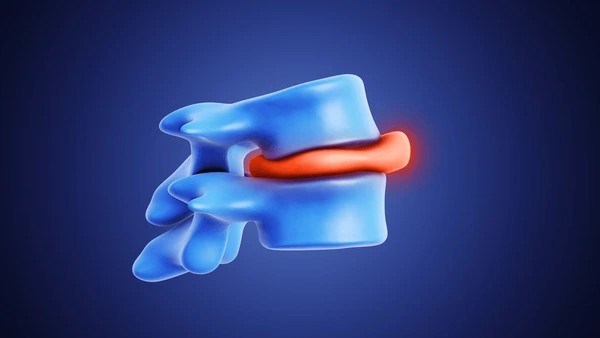
Your spine supports almost everything you do—from walking and sitting to bending and lifting. Over time, poor posture, inactivity, repeated strain, and improper lifting can place extra stress on the spinal discs. Although some disc changes are a normal part of aging and cannot always be prevented, healthy daily habits can help reduce unnecessary stress on your spine.
So, how can you protect your discs and keep your back healthy? Let’s explore some simple and effective strategies.
Maintain Good Posture
Poor posture can place extra pressure on your spine, especially when sitting for long periods. Try to keep your back supported and your shoulders relaxed.
When working at a desk, keep your computer screen close to eye level and your feet comfortably supported. Avoid slouching or leaning forward for long periods.
Good posture is not just about sitting straight. It is about maintaining comfortable spinal alignment throughout your daily activities.
Stay Active and Exercise Regularly
Regular physical activity helps keep the muscles that support your spine strong and flexible. Walking, swimming, stretching, and other low-impact activities can be helpful.
Strengthening your core muscles is especially important because these muscles help support the spine. Begin gradually and choose exercises that match your fitness level.
If you already have back pain, speak with a healthcare professional before starting a new exercise program.
Learn to Lift Properly
Lifting heavy objects incorrectly can put significant stress on the spine. Instead of bending from your waist, bend your knees and use your legs to help lift.
Keep the object close to your body and avoid twisting while carrying it. If something is too heavy, ask for help rather than risking an injury.
These small changes can make a big difference when lifting at home or at work.
Maintain a Healthy Weight
Extra body weight can increase the load placed on the spine. Maintaining a healthy weight through balanced nutrition and regular movement may help reduce unnecessary stress on your back.
Focus on nutritious foods such as vegetables, fruits, whole grains, lean proteins, and healthy fats. Avoid relying heavily on highly processed foods and sugary drinks.
Take Breaks From Sitting
Sitting for several hours without moving can make your back feel stiff and uncomfortable. If your work requires prolonged sitting, take short movement breaks throughout the day.
Stand up, walk around, stretch gently, or change your sitting position. Even brief periods of movement can help you avoid staying in one position for too long.
Avoid Repetitive Strain
Repeated bending, twisting, or lifting can place stress on the spinal discs. If your job or daily routine involves repetitive movements, use proper body mechanics and take regular breaks.
Changing positions and using appropriate equipment when available can also help reduce strain.
Listen to Your Body
Pain, stiffness, tingling, or numbness should not be ignored, especially if symptoms persist or become worse. Early evaluation can help identify the cause and prevent a minor problem from becoming more difficult to manage.
Protect Your Spine for the Long Term
Aging-related disc changes cannot always be avoided, but you can take steps to support a healthier spine. Good posture, regular exercise, proper lifting, healthy weight management, and regular movement can all contribute to better spinal health.
If you have ongoing back or neck pain, consult a qualified healthcare professional for an appropriate evaluation and personalized advice. Your spine works hard every day—give it the care it deserves.