Laser Therapy: What It Is and How It Works
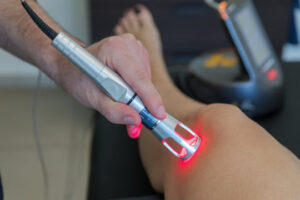
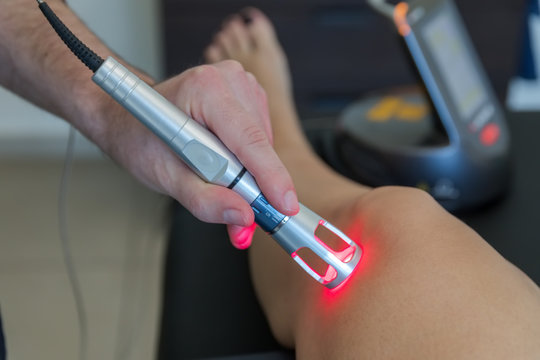
Laser therapy is a medical treatment that utilizes focused light beams to target specific areas of the body for therapeutic purposes. This innovative technology has gained popularity in various fields, including dermatology, physical therapy, and pain management.
The process involves the application of laser light to the affected area, which penetrates the skin and stimulates cellular activity. The energy from the laser promotes healing by increasing blood flow, reducing inflammation, and enhancing tissue repair. Depending on the condition being treated, different types of lasers may be used, such as ablative lasers for resurfacing skin or non-ablative lasers for deeper tissue treatment.
Conditions Treated by Laser Therapy
Laser therapy has emerged as a versatile treatment option for a variety of conditions, primarily due to its ability to promote healing and provide pain relief. Here is a list of some common conditions treated by laser therapy:
- Arthritis
- Tendinitis
- Back Pain
- Neck Pain
- Sports Injuries
- Carpal Tunnel Syndrome
- Fibromyalgia
- Wound Healing
Benefits of Laser Therapy: Why Choose This Modern Approach?
Laser therapy has emerged as a revolutionary treatment option in various medical fields, offering numerous benefits that make it an attractive choice for patients. Here’s a list of key advantages associated with this modern approach:
Precision: Laser therapy allows for targeted treatment, minimizing damage to surrounding tissues and ensuring higher accuracy during procedures.
Reduced Pain: Many patients report less discomfort compared to traditional surgical methods, as lasers can often be less invasive and require minimal anesthesia.
Faster Healing: The use of laser technology can promote quicker recovery times by stimulating cellular regeneration and reducing inflammation.
Minimal Scarring: Because laser treatments are less invasive, they typically result in smaller incisions or no incisions at all, leading to reduced scarring.
Versatility: Laser therapy is applicable in various medical fields including dermatology, dentistry, and physical therapy, making it suitable for a wide range of conditions.
Long-lasting Results: Many patients experience durable results from laser treatments, which can reduce the need for repeat procedures over time.
Non-surgical Options: For those hesitant about surgery, laser therapy provides effective alternatives that can achieve significant results without the need for extensive recovery periods.
By understanding these benefits, patients can make informed decisions about incorporating laser therapy into their treatment plans.
Comparing Effectiveness: Laser Therapy vs. Traditional Pain Management Techniques
When it comes to managing pain, individuals often find themselves weighing the benefits and drawbacks of various treatment options. Two prominent approaches are laser therapy and traditional pain management techniques, each with its unique effectiveness and applications.
Laser therapy utilizes focused light energy to stimulate healing in tissues, reduce inflammation, and alleviate pain. This non-invasive technique has gained traction due to its ability to target specific areas without the need for medication or surgery.
On the other hand, traditional pain management techniques encompass a wide range of methods including medications (like NSAIDs or opioids), physical therapy, acupuncture, and injections. While these methods can provide effective relief for many patients, they may also come with side effects or require longer recovery times. Medications can lead to dependency issues or adverse reactions in some individuals.
In comparing effectiveness, laser therapy stands out for its minimal side effects and quick recovery time. However, traditional methods may still be necessary in more complex cases where immediate relief is paramount. Ultimately, the choice between these two approaches depends on individual circumstances including the type of pain being treated and personal health considerations. Consulting with healthcare professionals can help patients determine the most suitable option tailored to their needs.