Persistent pain can make everyday activities feel difficult. Whether it is heel pain, tendon discomfort, sports-related injury, or chronic muscle pain, finding an effective treatment can be challenging. One non-invasive option gaining attention is shockwave therapy.
But what exactly is shockwave therapy, and what benefits can it offer? Let’s take a closer look.
What Is Shockwave Therapy?
Shockwave therapy, also called extracorporeal shockwave therapy (ESWT), uses controlled sound waves to deliver energy to a painful or injured area.
The treatment is designed to stimulate biological responses in the targeted tissues. It may help support the body’s natural healing processes and improve pain and function. Research has found benefits for several musculoskeletal conditions, although results can vary depending on the condition and treatment approach.
1. Helps Reduce Pain
One of the biggest reasons people consider shockwave therapy is pain relief.
Studies have found that shockwave therapy can reduce pain in several musculoskeletal conditions. Research on myofascial pain syndrome, for example, found improvements in pain and function compared with control treatments.
By addressing the affected area rather than simply masking discomfort, shockwave therapy may become part of a broader pain-management plan.
2. Supports Natural Healing
Shockwave therapy is intended to stimulate activity in the treated tissues. This may encourage the body’s natural repair processes.
This is particularly interesting for some chronic soft-tissue problems that have not responded well to rest or standard conservative care.
3. May Improve Mobility and Function
Pain often changes the way we move. Over time, this can lead to stiffness, weakness, and reduced activity.
By helping reduce pain, shockwave therapy may make it easier to move and participate in rehabilitation exercises. Studies involving knee osteoarthritis have reported improvements in both pain and physical function.
4. Non-Invasive Treatment Option
Shockwave therapy does not require surgery or incisions. It is performed externally using a specialized device.
For people looking for a non-invasive approach to certain musculoskeletal problems, this can be an attractive option. Research reviews have generally reported that shockwave therapy is safe when appropriately administered, with adverse effects typically being minor.
5. May Help With Several Conditions
Shockwave therapy has been studied for a variety of musculoskeletal conditions. Depending on the specific technology and treatment protocol, it may be considered for problems such as plantar fasciitis, certain tendon conditions, myofascial pain, and some forms of joint pain.
However, not every condition responds in the same way. A proper assessment is important before beginning treatment.
What Can You Expect During Treatment?
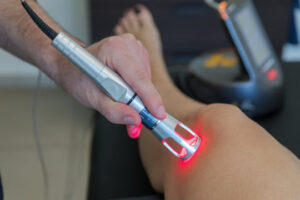
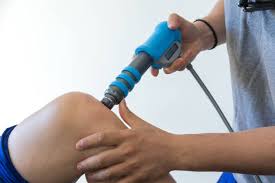
During a session, a clinician applies a handheld device to the targeted area. You may feel tapping or pressure as the sound waves are delivered. Treatment settings can be adjusted according to the condition and individual tolerance.
A treatment plan may involve multiple sessions, depending on the problem being treated.
Is Shockwave Therapy Right for You?
Shockwave therapy can be a useful part of a personalized rehabilitation plan, but it is not a miracle cure. The effectiveness can depend on the diagnosis, severity of the condition, treatment settings, and other factors.
If pain is limiting your movement or affecting your quality of life, speak with a qualified healthcare professional to determine whether shockwave therapy is appropriate for you.
Don’t let persistent pain keep you from the activities you enjoy. The right treatment plan can be an important step toward better movement and improved quality of life.