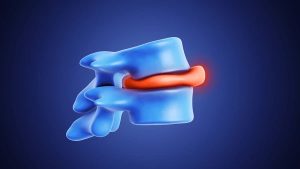
Drug-free pain relief refers to various methods and therapies designed to alleviate pain without the use of pharmaceuticals. This approach focuses on natural, holistic strategies that can help manage discomfort while minimizing the risks associated with medication.. In this blog, we will delve deeper into the various options available for drug-free pain relief and how they can benefit those seeking a more natural approach to managing their discomfort.
The Risks of Pharmaceutical Pain Relief: Why Consider Alternatives?
The use of pharmaceutical pain relief has become a common practice for managing chronic pain, but it is essential to be aware of the associated risks. One significant concern is the side effects of pain medications, which can range from mild discomfort to severe health complications. Many over-the-counter and prescription pain relievers can lead to gastrointestinal issues, liver damage, or cardiovascular problems with prolonged use.
Moreover, the opioid crisis has highlighted the addiction risks linked to opioid medications. These drugs, while effective for acute pain management, have a high potential for dependency and abuse. As patients seek relief from persistent pain, they may inadvertently increase their dosage or frequency of use, leading to a cycle of addiction that is difficult to break.
Long-term health issues are another critical consideration when relying on pharmaceutical solutions for pain management. Chronic use of certain pain medications can result in diminished effectiveness over time and may contribute to other health problems such as kidney damage or increased sensitivity to pain.
Exploring Natural Methods for Effective Pain Management
When it comes to pain management, many individuals are seeking alternatives to traditional medication. Natural remedies for pain relief have gained popularity due to their potential effectiveness and fewer side effects. Here’s a list of some notable methods:
Acupuncture Benefits: This ancient Chinese practice involves inserting thin needles into specific points on the body. Research suggests that acupuncture can help alleviate various types of pain, including chronic back pain, migraines, and arthritis by promoting the release of endorphins and enhancing blood flow.
Chiropractic Care: Chiropractors focus on diagnosing and treating musculoskeletal disorders, particularly those related to the spine. Chiropractic adjustments can relieve tension in the body, improve alignment, and reduce discomfort from conditions such as sciatica or neck pain.
Physical Therapy Techniques: Tailored physical therapy programs utilize exercises and stretches designed to strengthen muscles and improve mobility. Techniques such as manual therapy, ultrasound treatment, or electrical stimulation can significantly aid in reducing pain while promoting healing.
Integrating Lifestyle Changes to Enhance Drug-Free Pain Management
Integrating lifestyle changes can significantly enhance drug-free pain management, providing individuals with effective strategies to alleviate discomfort. One of the most impactful areas to focus on is diet and nutrition for pain relief. Staying hydrated and avoiding processed foods high in sugar and unhealthy fats can also contribute to overall well-being.
Engaging in regular physical activity helps strengthen muscles, improve flexibility, and boost endorphin levels—natural pain relievers produced by the body. Activities such as yoga, swimming, or gentle stretching can be particularly beneficial for those dealing with chronic pain conditions.
Lastly, prioritizing sleep hygiene practices is essential for effective pain management. Quality sleep allows the body to heal and recover while reducing sensitivity to pain.
By adopting these lifestyle changes—focusing on diet and nutrition for pain relief, engaging in exercise and movement therapy, and maintaining good sleep hygiene—individuals can create a holistic approach to managing their pain without relying solely on medication.