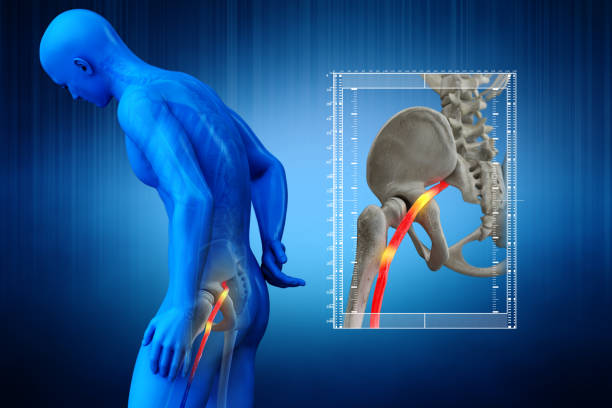
What is a Pinched Nerve?
A pinched nerve occurs when surrounding tissues, such as bones, cartilage, muscles, or tendons, apply excessive pressure on a nerve. This compression can disrupt the nerve’s function and lead to various symptoms. Common causes of a pinched nerve include herniated discs, arthritis, repetitive motions, or injuries that cause swelling.
Symptoms typically manifest as pain, tingling, numbness, or weakness in the affected area. Depending on the location of the pinched nerve—such as in the neck or lower back—individuals may experience discomfort radiating down their arms or legs. Recognizing these signs early can help in seeking appropriate treatment and alleviating discomfort effectively.
Conservative Treatments for Pinched Nerves: What Works?
One of the most effective approaches is physical therapy for a pinched nerve, which often includes targeted exercises to strengthen surrounding muscles and improve flexibility. A trained therapist can tailor a program that addresses the specific areas affected by the pinched nerve.
In addition to physical therapy, rest and ice therapy can be beneficial in managing symptoms. Taking time to rest the affected area allows inflammation to subside, while applying ice packs can reduce swelling and numb pain. This combination can provide significant relief during the initial stages of recovery.
Over-the-counter pain relief medications, such as ibuprofen or acetaminophen, are also commonly recommended for managing pain associated with pinched nerves. These medications help reduce inflammation and provide temporary relief from discomfort.
Lastly, incorporating stretching exercises into your daily routine can enhance mobility and alleviate pressure on the affected nerve. Simple stretches targeting the neck or back—depending on where the pinch occurs—can promote healing and prevent further irritation.
When to Consider Medical Interventions for Pinched Nerves
When dealing with pinched nerves, understanding when to consider medical interventions is crucial for effective treatment. Initially, conservative approaches such as rest, physical therapy, and over-the-counter pain relief may alleviate symptoms. However, if these methods do not provide sufficient relief within a few weeks or if symptoms worsen, it may be time to explore more advanced options.
Corticosteroid injections are often recommended as a non-surgical intervention. These injections can reduce inflammation and pain in the affected area, providing temporary relief that allows for continued rehabilitation efforts. If conservative treatments fail and the condition significantly impacts daily life or leads to muscle weakness or loss of function, surgical options for pinched nerves might be necessary.
The Role of Alternative Therapies in Treating Pinched Nerves
Alternative therapies play a significant role in alleviating the discomfort associated with pinched nerves. Acupuncture, for instance, has gained recognition for its benefits in reducing pain and inflammation. This ancient practice stimulates specific points on the body, promoting natural healing and improving nerve function.
Chiropractic care is another effective approach, focusing on spinal alignment to relieve pressure on affected nerves. Many patients report significant improvements in mobility and pain reduction following chiropractic adjustments.
Massage therapy also offers advantages for those suffering from pinched nerves. By enhancing circulation and relaxing tight muscles, massage can help alleviate tension around the affected area, providing relief and promoting recovery. Collectively, these alternative therapies can be valuable components of a comprehensive treatment plan for pinched nerves.
It’s essential to consult with healthcare professionals to develop a personalized plan that addresses your specific needs. By actively engaging in your treatment journey and adopting these strategies, you can regain mobility and improve your overall quality of life while effectively managing the challenges posed by a pinched nerve.