Living with neuropathy can present a range of practical difficulties that often go unnoticed by those who don’t experience it. The persistent pain, tingling, and numbness can affect daily activities in profound ways, making even simple tasks feel overwhelming. Many individuals find themselves navigating a world that suddenly seems more challenging, from managing household chores to maintaining social connections.
Shockwave therapy may offer hope for alleviating some of the discomfort associated with neuropathy, providing a glimpse of improved quality of life.
The Link Between Neuropathy and Shockwave Therapy
Neuropathy, a condition characterized by nerve damage often resulting in pain, weakness, or numbness, can significantly impact an individual’s quality of life. As patients explore various neuropathy treatment options, shockwave therapy has emerged as a promising alternative. This non-invasive treatment utilizes acoustic waves to stimulate healing and promote tissue regeneration.
The benefits of shockwave therapy for neuropathy are becoming increasingly recognized. By enhancing blood flow and reducing inflammation, this therapy can provide substantial nerve pain relief for those suffering from chronic pain conditions. Additionally, studies indicate that shockwave therapy may help improve nerve function and reduce symptoms associated with neuropathy.
For individuals seeking effective chronic pain management solutions, shockwave therapy represents a viable option that complements traditional treatments. As research continues to unfold regarding its efficacy and applications in neuropathy treatment, many patients are finding renewed hope through this innovative approach.
Benefits of Shockwave Therapy for Patients with Neuropathy
Shockwave therapy has emerged as a promising treatment option for patients suffering from neuropathy. Here are several benefits that highlight its effectiveness:
Pain Reduction: One of the primary advantages of shockwave therapy is its ability to alleviate pain. The high-energy sound waves stimulate the healing process, reducing discomfort associated with neuropathy.
Improved Blood Circulation: Shockwave therapy enhances blood flow to affected areas, which can promote healing and regeneration of nerve tissues, ultimately improving overall nerve function.
Accelerated Healing Process: By stimulating cellular repair mechanisms, shockwave therapy can expedite recovery times for patients experiencing neuropathic symptoms.
Non-Invasive Treatment: Unlike surgical options, shockwave therapy is non-invasive and generally well-tolerated by patients, making it an attractive alternative for those hesitant about more invasive procedures.
Minimal Side Effects: Most patients experience few side effects from shockwave therapy, making it a safer option compared to many pharmacological treatments that may have significant adverse effects.
Enhanced Mobility: As pain decreases and nerve function improves, many patients report increased mobility and improved quality of life.
Complementary Treatment Option: Shockwave therapy can be effectively combined with other therapies such as physical rehabilitation or medication, providing a comprehensive approach to managing neuropathy symptoms.
These benefits make shockwave therapy an increasingly popular choice among healthcare providers looking to offer effective solutions for their patients dealing with neuropathy-related challenges.
What to Expect During a Shockwave Therapy Session for Neuropathy
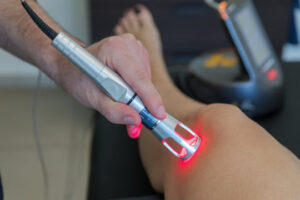
During a shockwave therapy session for neuropathy, patients can expect a straightforward and non-invasive procedure designed to alleviate pain and promote healing. The session typically begins with a consultation where the healthcare provider assesses the patient’s condition and discusses treatment goals.
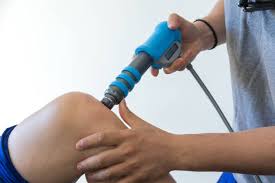
Once the session starts, a gel is applied to the affected area to facilitate the transmission of shockwaves. The device emits acoustic waves that penetrate deep into the tissue, stimulating blood flow and promoting cellular regeneration. Each treatment lasts about 15 to 30 minutes, depending on the severity of neuropathy.
Patients may feel mild discomfort during the process, but it is generally well-tolerated. Post-session, some individuals report immediate relief, while others may notice gradual improvements over several weeks as their body responds to therapy. It’s important for patients to follow any aftercare instructions provided by their therapist for optimal results. Overall, shockwave therapy offers an innovative approach to managing neuropathy symptoms effectively.