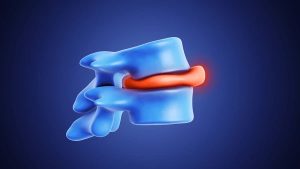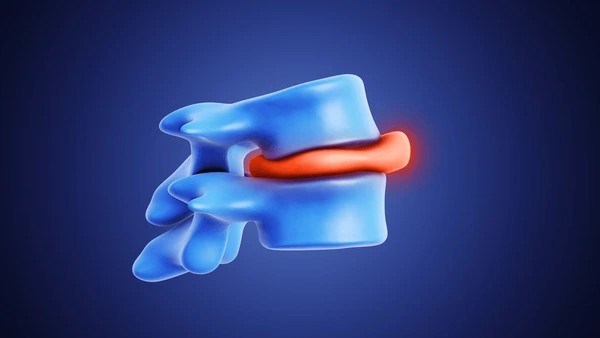
Living with bulging discs can be a real pain. It occurs when the soft material inside your spinal discs protrudes out, which can lead to discomfort, pain, and even nerve issues. It’s not just about the physical symptoms; it can take a toll on your mental health, too. You might find yourself feeling frustrated or limited in what you can do daily.
In this blog, we’ll discuss the various treatment options available to help manage symptoms and improve your quality of life. Whether you’re considering physical therapy, medication, or alternative therapies, there are paths to explore that may provide relief.
Conservative Treatment Options for Bulging Discs
When it comes to managing bulging discs, conservative treatment options can often provide significant relief without the need for invasive procedures. Here is a list of effective approaches:
Physical Therapy: Engaging in a tailored physical therapy program can help strengthen the muscles surrounding the spine, improve flexibility, and alleviate pressure on the affected disc. Therapists often incorporate exercises that focus on core stability and posture correction.
Chiropractic Care: Chiropractic adjustments can help realign the spine and reduce nerve irritation caused by bulging discs. Regular chiropractic sessions may enhance mobility and decrease pain levels.
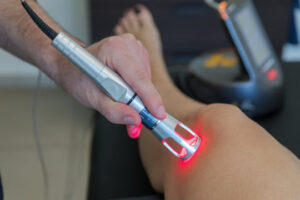
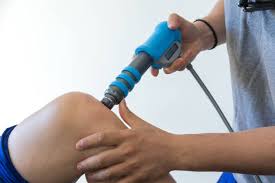
Pain Management Techniques: Various pain management techniques such as acupuncture, massage therapy, or transcutaneous electrical nerve stimulation (TENS) can offer relief by targeting muscle tension and improving circulation in the affected area.
At-Home Remedies for Bulging Discs: Simple at-home remedies like applying ice or heat to the affected area can help manage inflammation and discomfort. Additionally, over-the-counter anti-inflammatory medications may provide temporary relief from pain.
Lifestyle Changes: Implementing lifestyle changes such as maintaining a healthy weight, practicing good posture, and engaging in regular low-impact exercise can significantly reduce strain on the spine and prevent further issues with bulging discs.
By exploring these conservative treatment options, individuals suffering from bulging discs may find effective ways to manage their symptoms while promoting overall spinal health.
Medications and Injections: Relief from Pain and Inflammation
When it comes to managing pain and inflammation, various medications and injections are available to provide relief. Anti-inflammatory medications, such as nonsteroidal anti-inflammatory drugs (NSAIDs), are commonly used for their effectiveness in reducing swelling and alleviating pain. For more severe cases, corticosteroid injections can be administered directly into the affected area, offering targeted relief from conditions like bulging discs.
In addition to prescription options, over-the-counter medications like ibuprofen and naproxen can also play a role in managing mild to moderate pain. It’s essential for individuals experiencing persistent discomfort to explore these pain relief options with their healthcare provider to determine the most appropriate treatment plan tailored to their needs.
Surgical Treatments: When Is Surgery Necessary?
Surgical treatments for bulging discs are considered when conservative methods, such as physical therapy and medication, fail to provide relief. One common procedure is the discectomy, which involves removing the portion of the disc that is pressing on a nerve root or spinal cord. This can alleviate pain and restore function.
In more severe cases, spinal fusion surgery may be recommended. This procedure stabilizes the spine by fusing two or more vertebrae together, preventing further movement that could aggravate a bulging disc.
However, it’s essential to understand the risks associated with surgery for bulging discs. These can include infection, bleeding, and complications related to anesthesia. Additionally, there’s no guarantee of complete pain relief post-surgery. Therefore, it’s crucial for patients to discuss all options thoroughly with their healthcare provider before making a decision on surgical intervention.