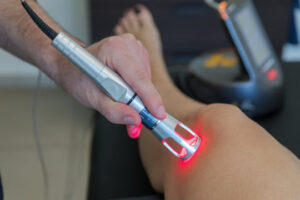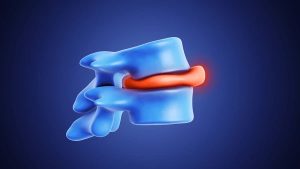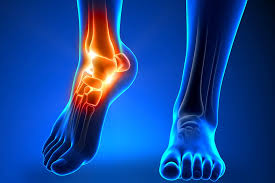
Living with neuropathy can be a challenging experience, as it often involves managing chronic pain, numbness, and other uncomfortable symptoms. Understanding effective treatment options is crucial for improving quality of life. In this blog, we will explore various approaches to managing neuropathy, including medications, lifestyle changes, physical therapy, and alternative therapies. Each treatment option has its own benefits and considerations, allowing individuals to tailor their approach based on personal needs and circumstances.
Conventional Treatment Options for Neuropathy
Pain Relief Medications: Over-the-counter pain relievers, such as nonsteroidal anti-inflammatory drugs (NSAIDs), can provide relief from mild to moderate nerve pain.
Antidepressants for Nerve Pain: Certain antidepressants, particularly tricyclics like amitriptyline and serotonin-norepinephrine reuptake inhibitors (SNRIs), have been found effective in reducing nerve pain by altering the way the brain perceives pain signals.
Anticonvulsants: Medications typically used to treat seizures, such as gabapentin and pregabalin, are also effective in managing neuropathic pain by stabilizing electrical activity in the nervous system.
Topical Treatments: Creams or patches containing capsaicin or lidocaine can be applied directly to the skin over painful areas to provide localized relief without systemic side effects.
These conventional treatment options can be tailored to individual needs and should always be discussed with a healthcare provider for optimal management of neuropathy symptoms.
Alternative Therapies to Consider for Neuropathy Relief
When exploring alternative therapies for neuropathy relief, several options can provide significant benefits. Here’s a brief overview of some effective treatments:
Acupuncture for Neuropathy: This ancient practice involves inserting thin needles into specific points on the body to stimulate nerve function and alleviate pain. Many patients report reduced symptoms and improved overall well-being after acupuncture sessions.
Chiropractic Care: Chiropractors focus on spinal alignment and nerve function, which can help relieve pressure on nerves affected by neuropathy. Regular adjustments may lead to reduced pain and improved mobility.
Physical Therapy Benefits: Engaging in targeted physical therapy can enhance strength, flexibility, and coordination, helping individuals manage their neuropathy symptoms more effectively. A physical therapist can tailor exercises to meet individual needs.
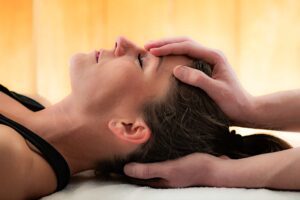
Massage Therapy for Nerve Pain: Therapeutic massage can promote circulation and reduce tension in muscles surrounding affected nerves, providing relief from pain associated with neuropathy. It also fosters relaxation, which is beneficial for overall health.
Lifestyle Changes That Can Help Manage Neuropathy Symptoms
Managing neuropathy symptoms often requires a multifaceted approach, including lifestyle changes that can significantly improve quality of life. Here are some effective strategies:
Maintain a Healthy Diet: Focus on a balanced diet rich in vitamins B1, B6, and B12, which are essential for nerve health. Incorporate fruits, vegetables, whole grains, and lean proteins.
Stay Hydrated: Drinking plenty of water helps maintain overall health and can alleviate some neuropathy symptoms.
Regular Exercise: Engaging in low-impact activities like walking or swimming can improve circulation and reduce pain.
Manage Blood Sugar Levels: For those with diabetes-related neuropathy, keeping blood sugar levels stable is crucial to prevent further nerve damage.
Limit Alcohol Consumption: Reducing alcohol intake can help minimize nerve damage and alleviate symptoms.
Get Adequate Sleep: Prioritizing restful sleep supports the body’s healing processes and may reduce discomfort associated with neuropathy.
In conclusion, navigating the complexities of neuropathy requires a personalized approach to treatment. It is essential to recognize that each individual’s experience with neuropathy is unique, influenced by factors such as the underlying cause and personal health history. Therefore, collaborating closely with healthcare professionals can lead to tailored treatment options that may include medication, lifestyle changes, physical therapy, or alternative therapies. By staying informed and proactive in exploring these options, patients can take significant steps toward managing their symptoms effectively and improving their quality of life.